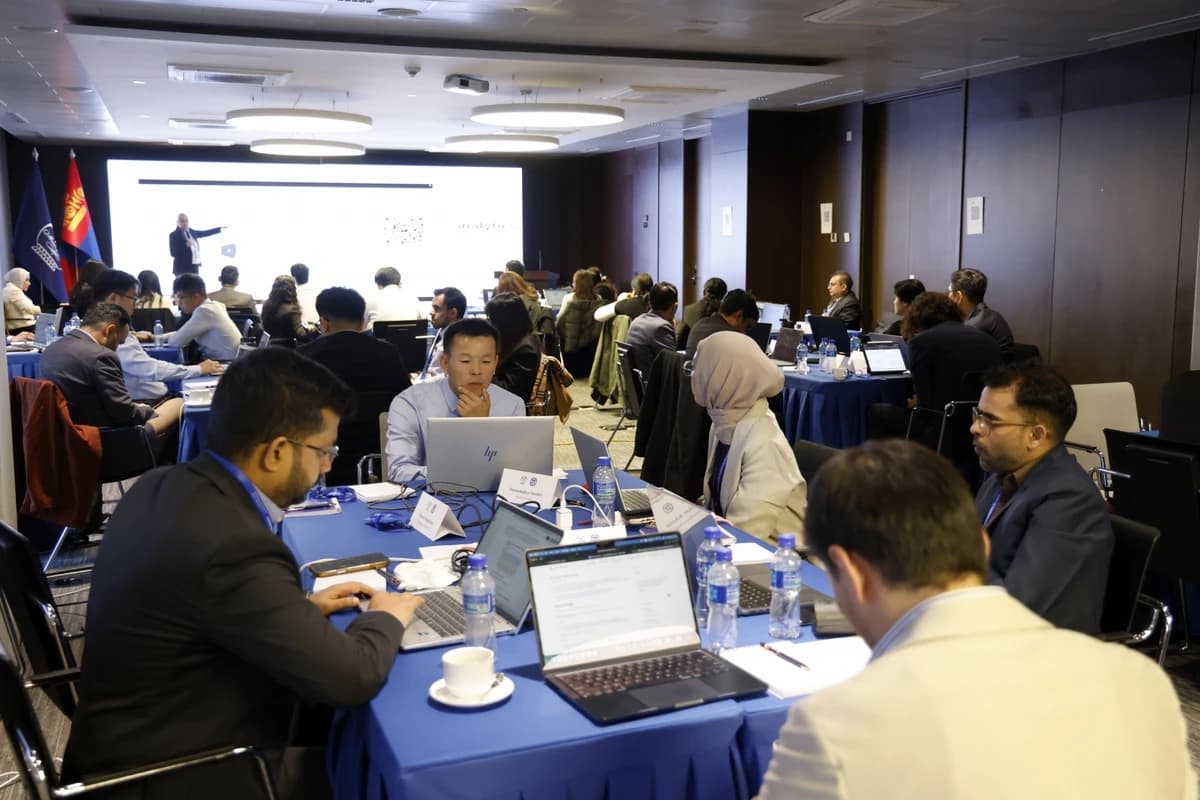
Bank of Mongolia hosts SEACEN course on “Foundational Data Analytics for Central Bankers”
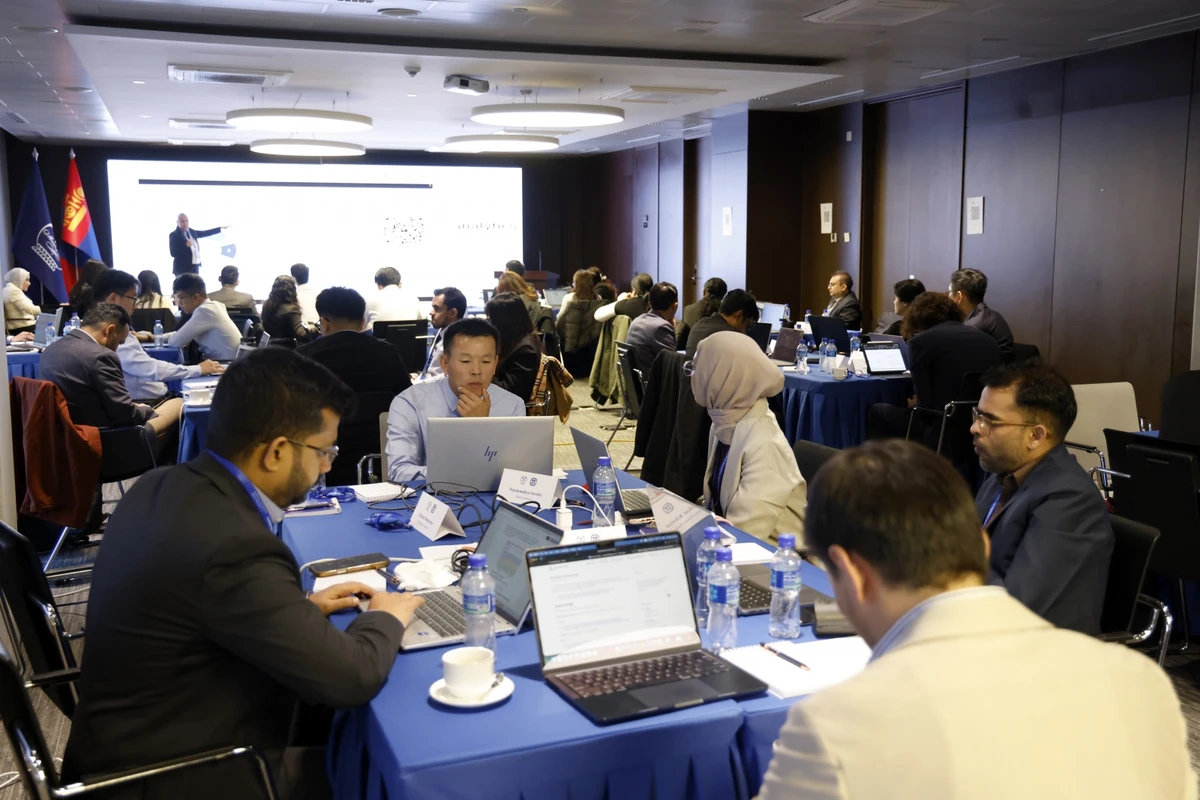
The Bank of Mongolia, in collaboration with the Southeast Asian Central Banks (SEACEN) Research and Training Centre, is hosting an international training program titled “Foundational Data Analytics for Central Bankers” in Ulaanbaatar from 5 to 8 October 2026.
The training is designed to enhance central bank professionals’ knowledge and practical capabilities in applying data-driven analytical approaches and advanced technologies to support evidence-based policymaking. The program focuses on emerging and increasingly important areas of central banking, including data visualization, big data, machine learning, and artificial intelligence (AI).
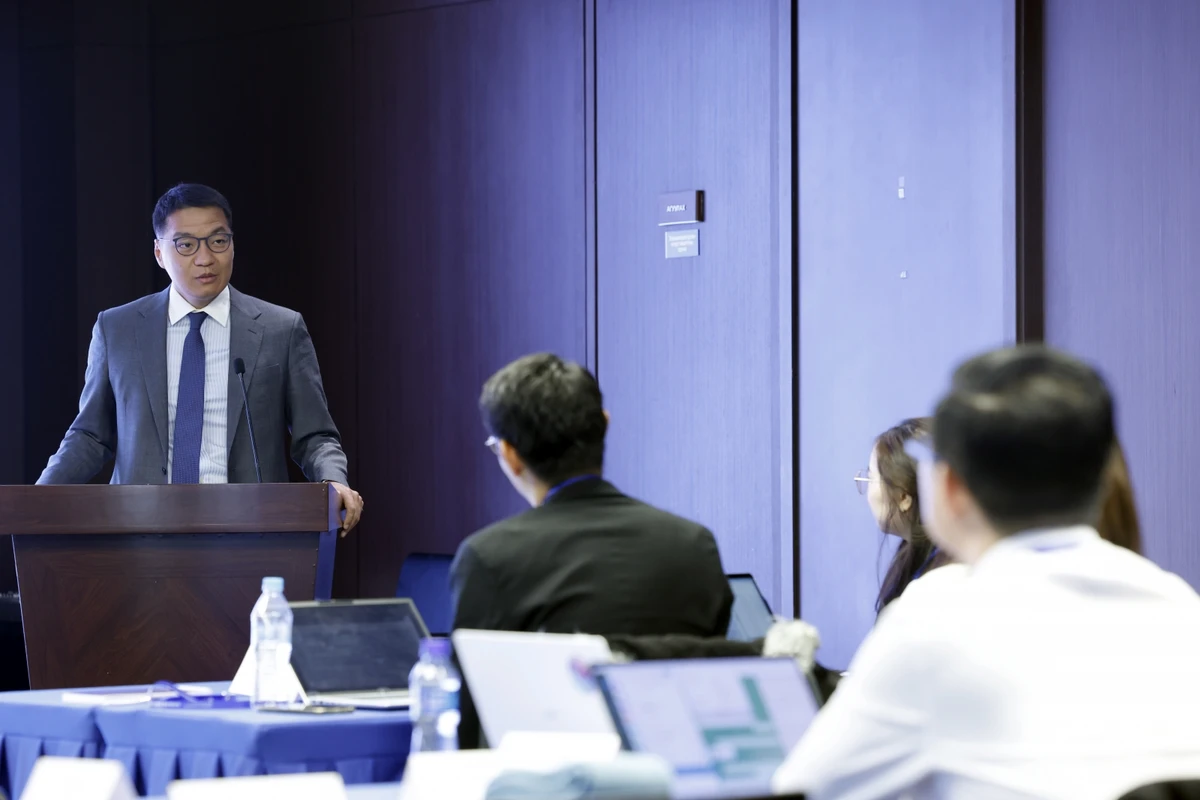
The program is being delivered by experts from SEACEN, representatives from academia, and advisers from central banks, bringing together international expertise and practical experience in the application of modern analytical tools to central banking.
A total of 41 central bank professionals from 12 Southeast Asian countries are participating in the training. The program provides a valuable platform for participants to exchange knowledge and experiences in data-driven analysis, learn from best practices and real-world applications across central banks, and explore opportunities to further strengthen regional cooperation.
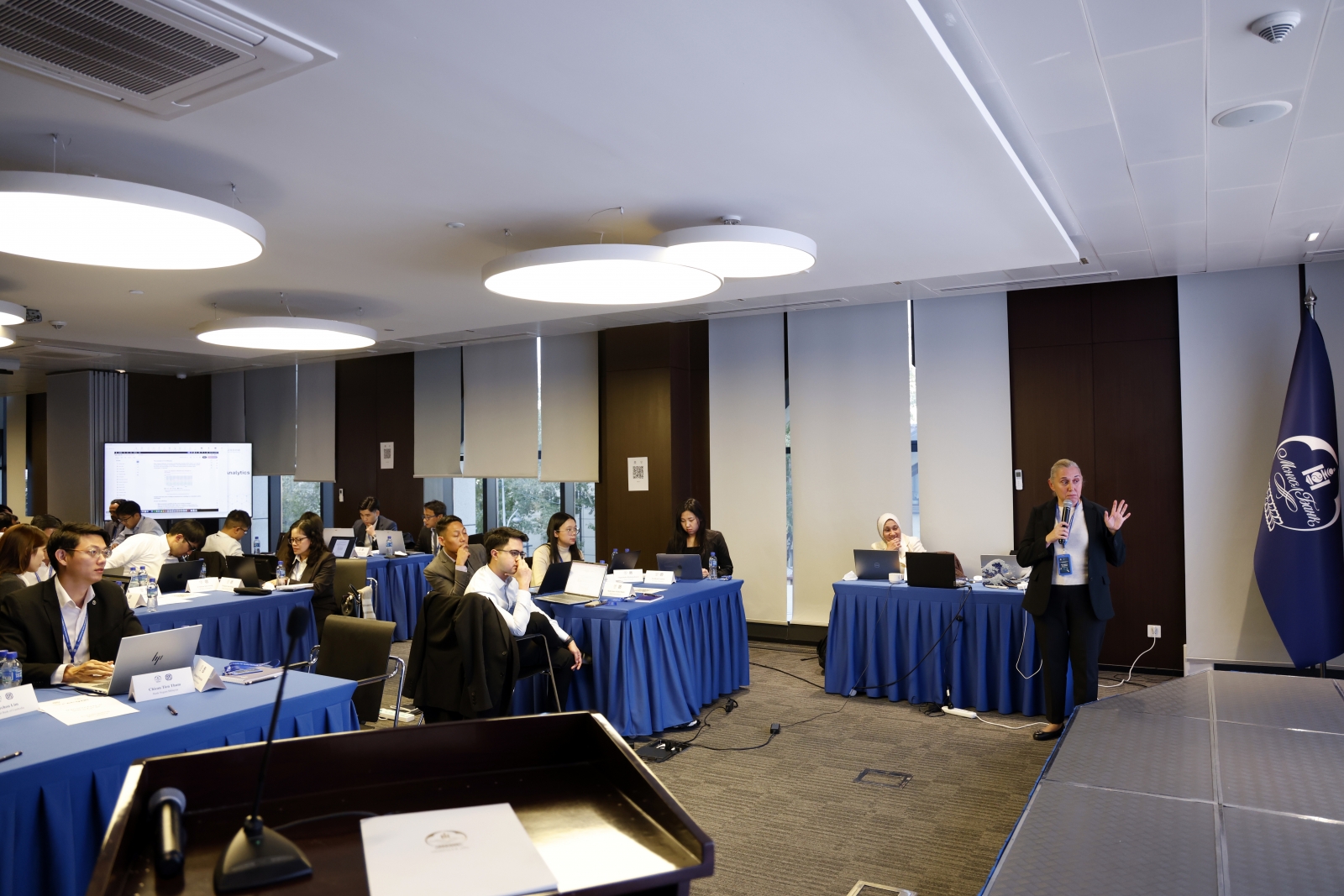
Over the course of the training, participants will receive a combination of theoretical and practical instruction covering:
effective visualization and communication of data and analytical findings;
the use of new and non-traditional data sources;
the differences and complementary applications of traditional econometric methods and machine learning (ML);
text data analytics and natural language processing (NLP); and
practical applications of machine learning and artificial intelligence (AI).
Through this international training, the Bank of Mongolia and SEACEN aim to support the continued development of analytical capacity within central banks and promote the effective adoption of modern data-driven approaches and emerging technologies in policymaking.
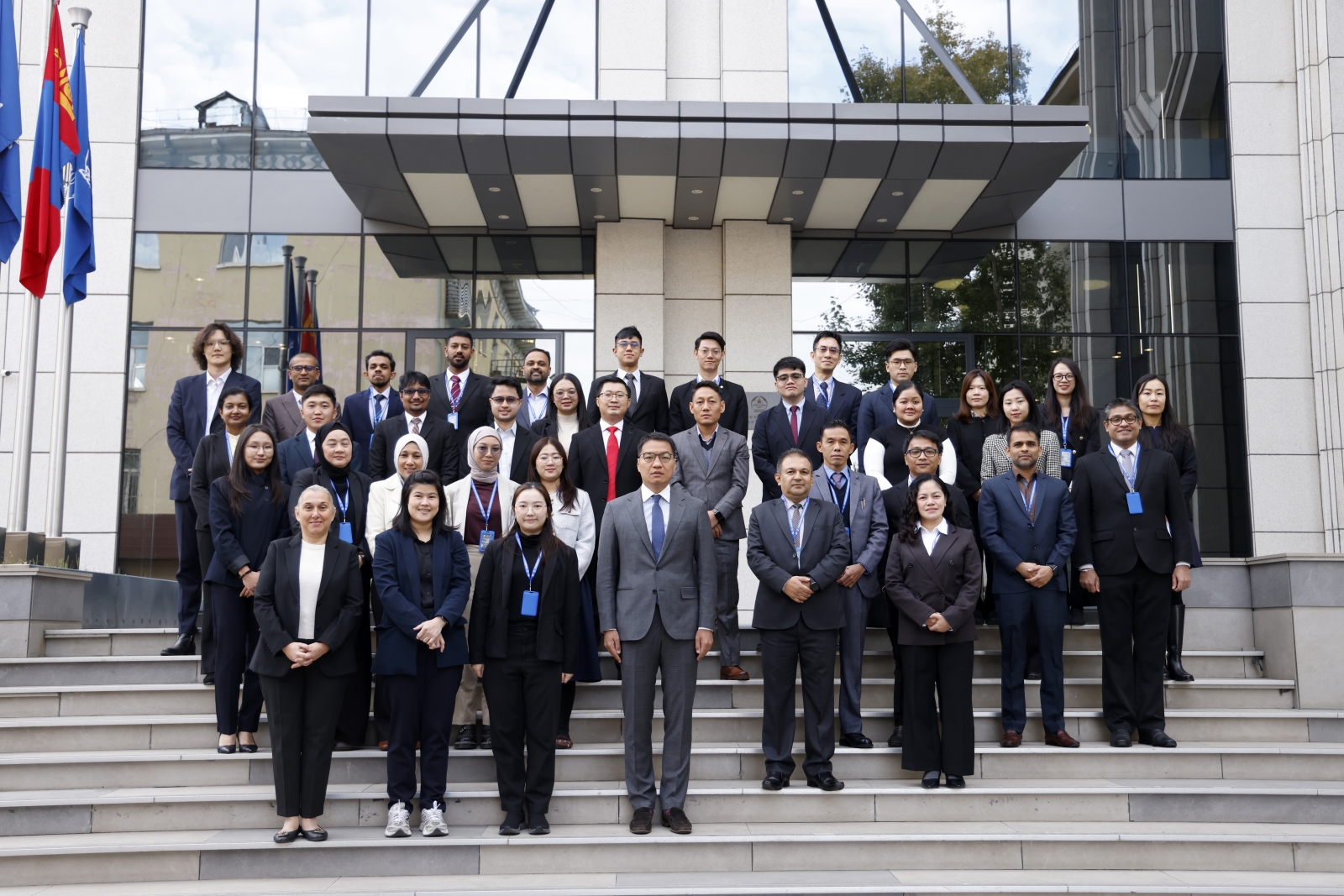
The program also serves as an important platform for strengthening professional networks, sharing international best practices, and fostering continued cooperation among central banks across the region.

Mono.mn
Мэдээний нийтлэгч
Сэтгэгдэл бичих
Хүндэтгэлтэй, соёлтой хэлж бичихийг хүсье. Сэтгэгдлийг нийтлэлийг уншигчид шууд харна.
Сэтгэгдлүүд (0)
Одоогоор сэтгэгдэл байхгүй байна. Та хамгийн түрүүнд сэтгэгдэл үлдээнэ үү.